Start with the challenge and KPIs
I analyze the team's processes, roles, and bottlenecks, selecting scenarios where AI can create measurable value rather than an impressive demo.
Now accepting corporate AI program bookings
For business owners · senior executives · functional leaders
An on-site corporate program for a team of 5–10 business owners and executives. Participants build prototypes for their own processes, define safe-use boundaries, and leave with a 30-day implementation plan. Standard scenarios can be prototyped without developers; requirements for IT and information security are captured separately in the implementation map.
Or message me on Telegram
01 · Experience and trust
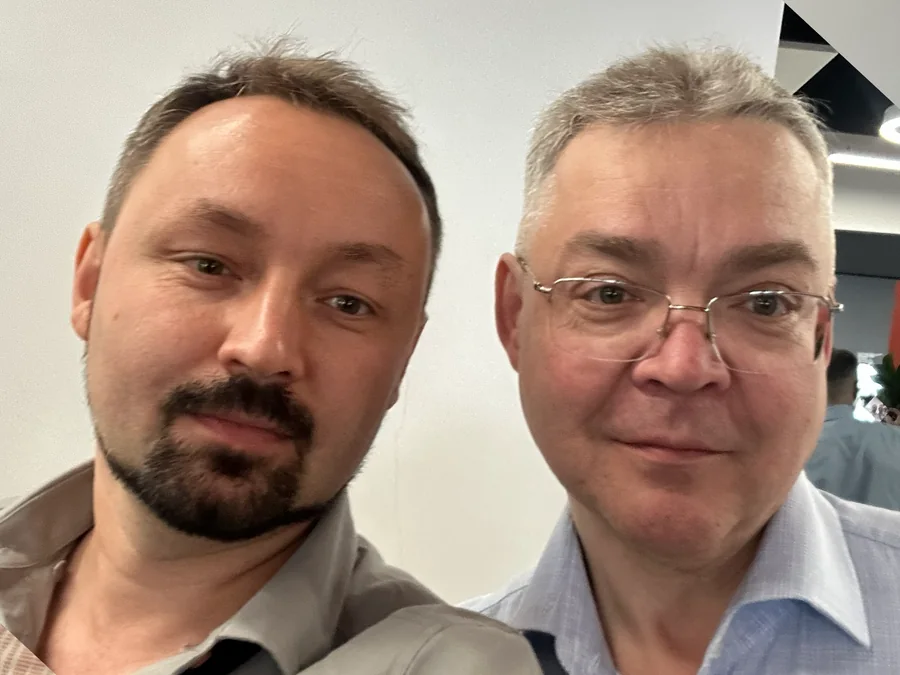
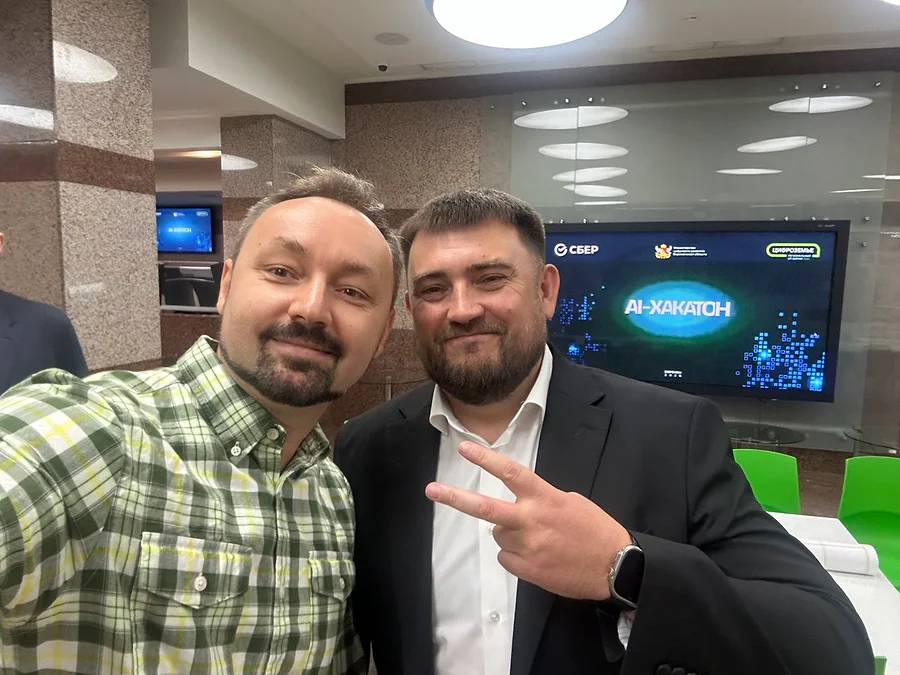
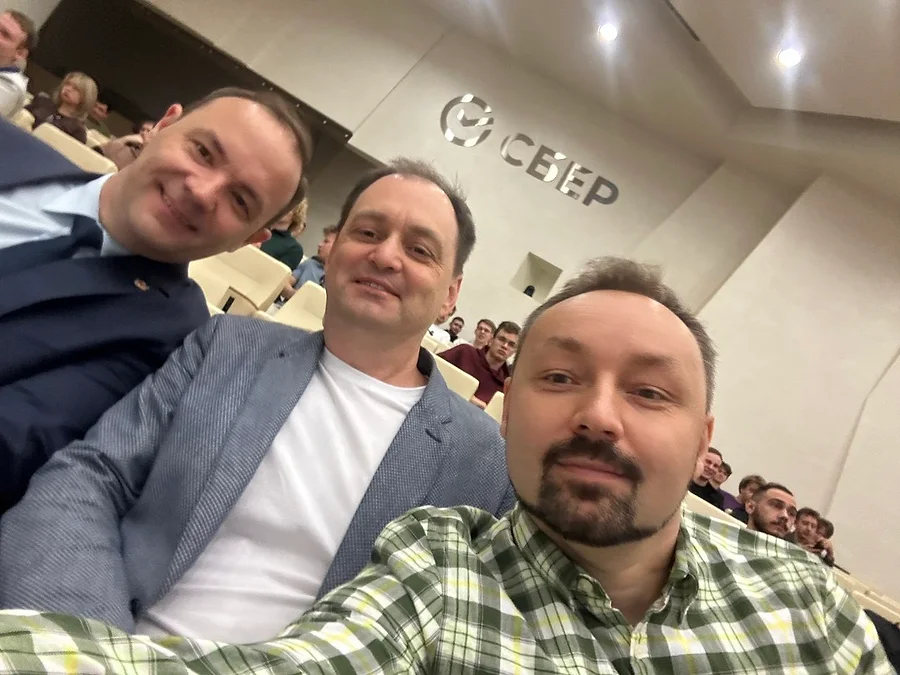
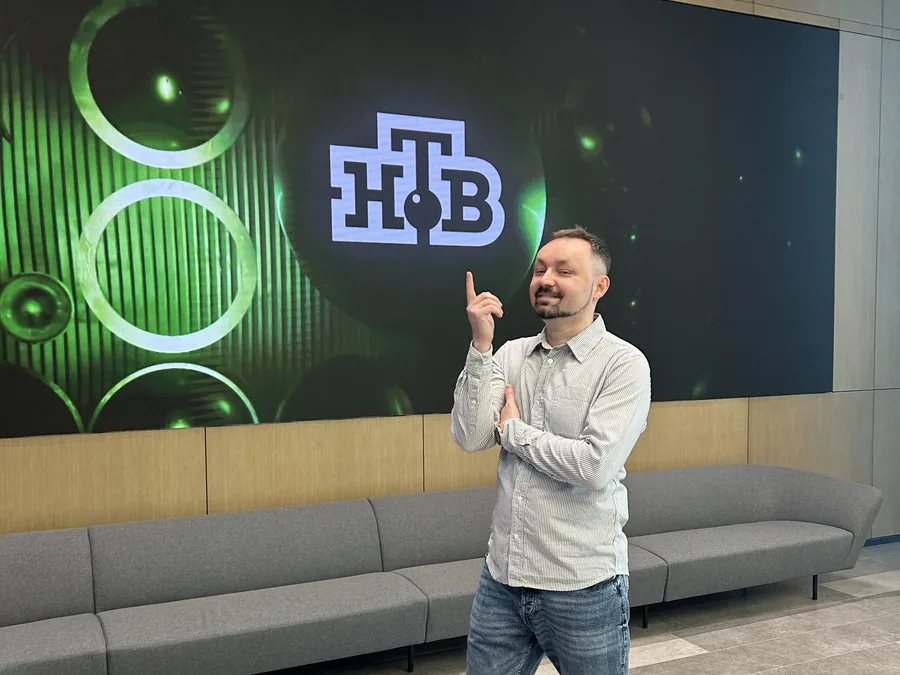
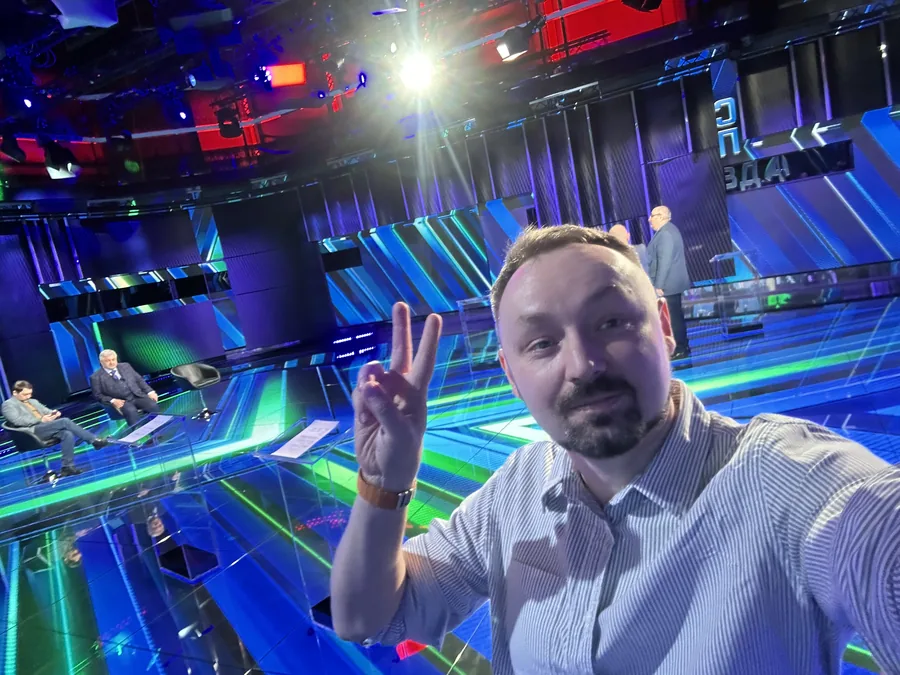
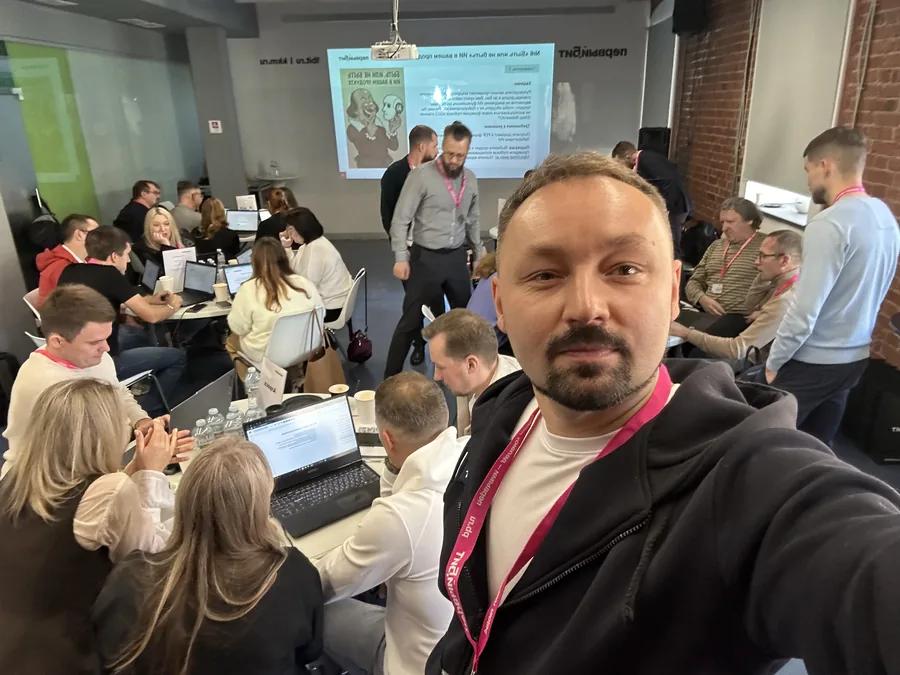
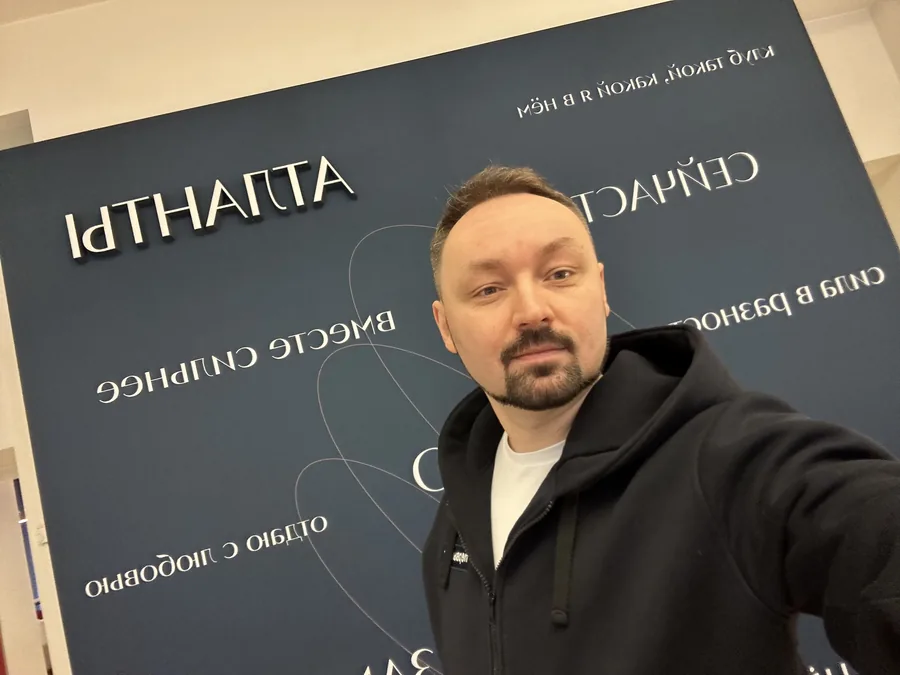
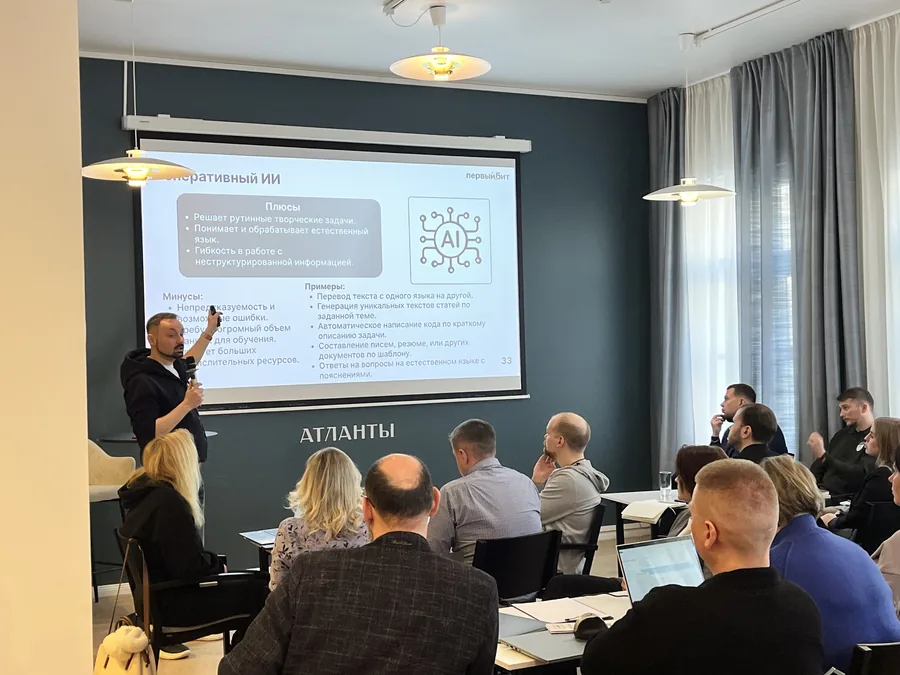
Training, expert work, and speaking engagements across government, national television, banking, manufacturing, retail, and education. More than 1,000 people have taken part in 30+ in-person workshops over the last two years.
 Sber
Sber NTV television
 Atlanty Business Club
 Government of
 Voronezh Region
 School 21
 VEB.RF
 ALROSA
 Rostic’s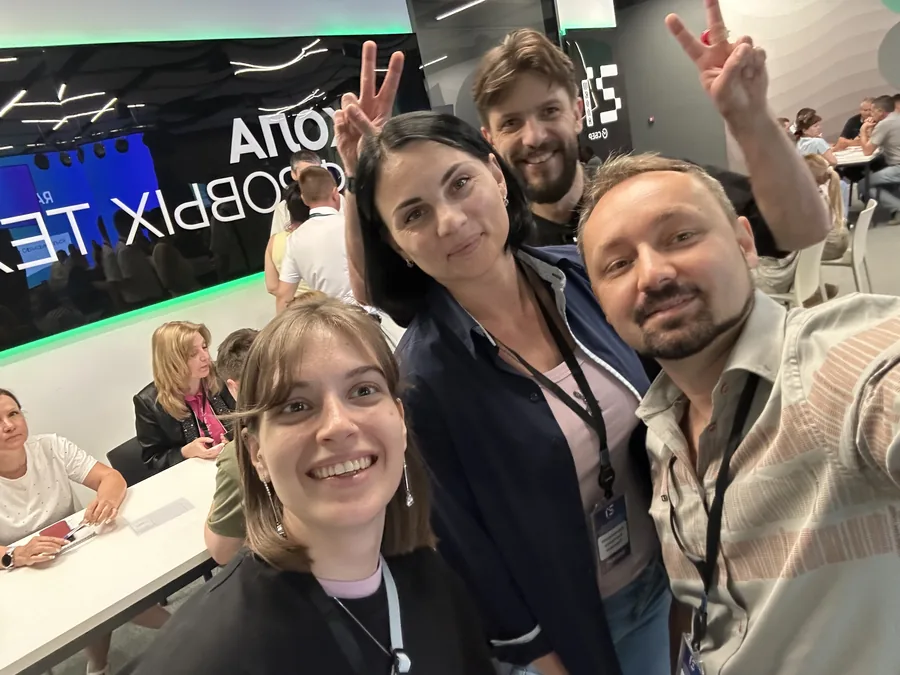
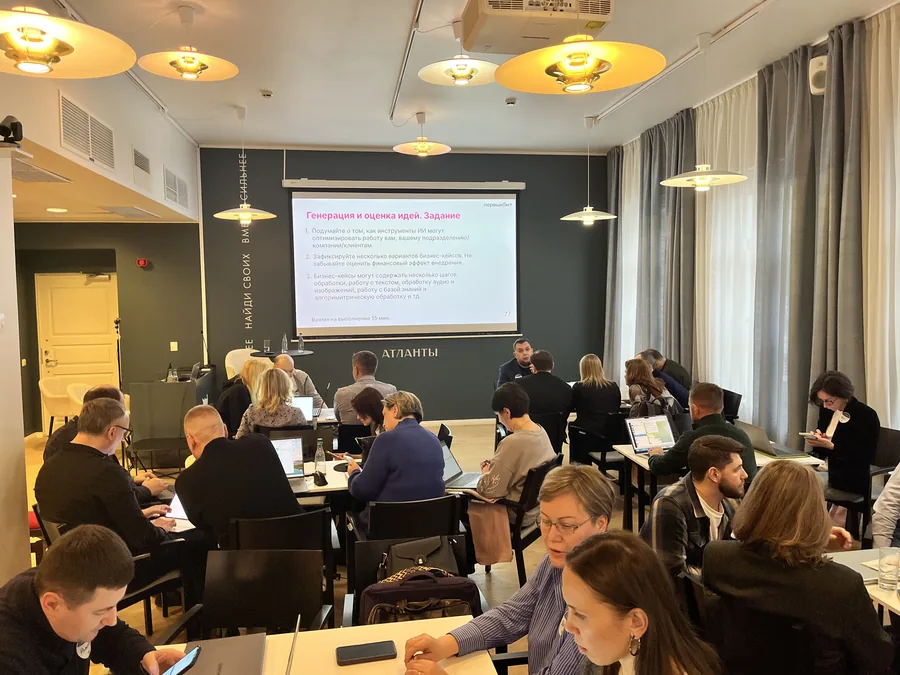
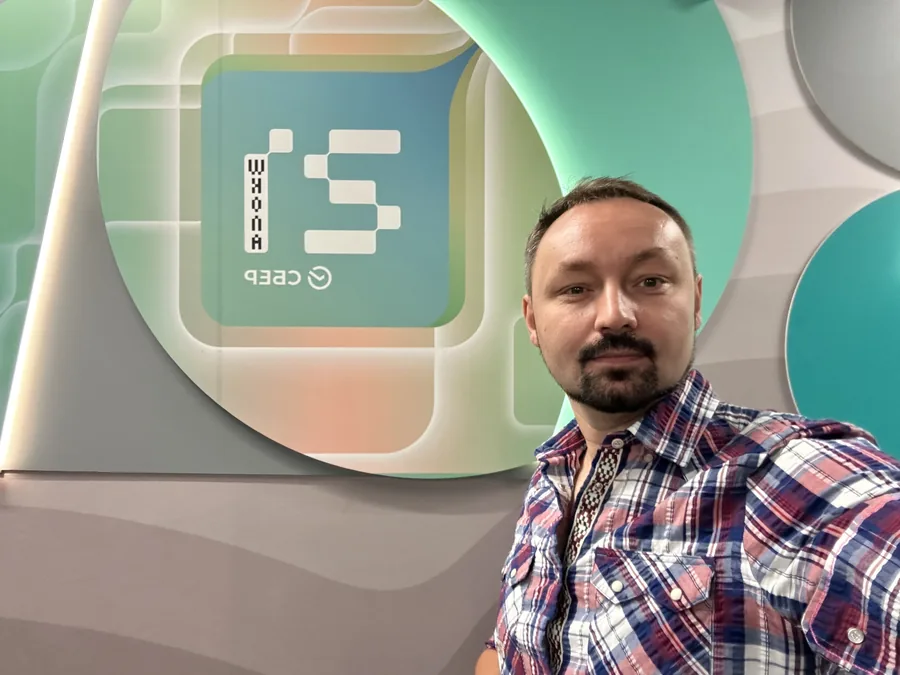
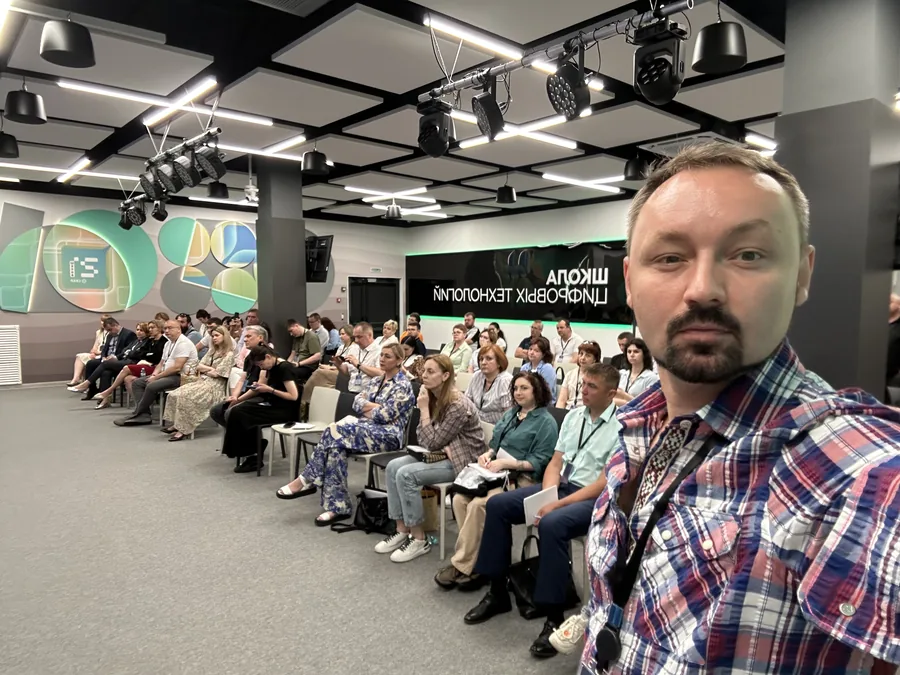
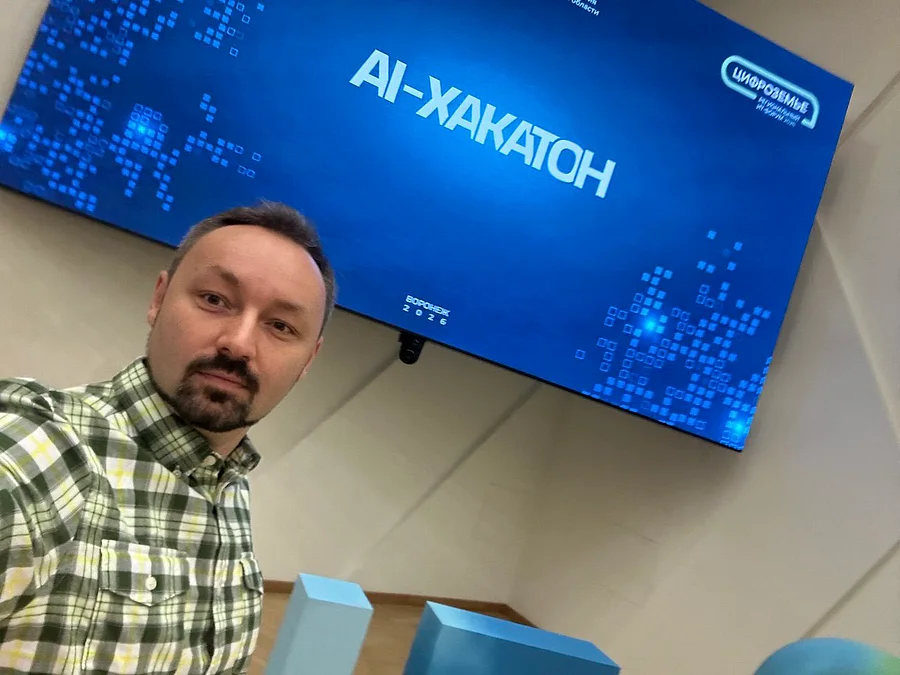
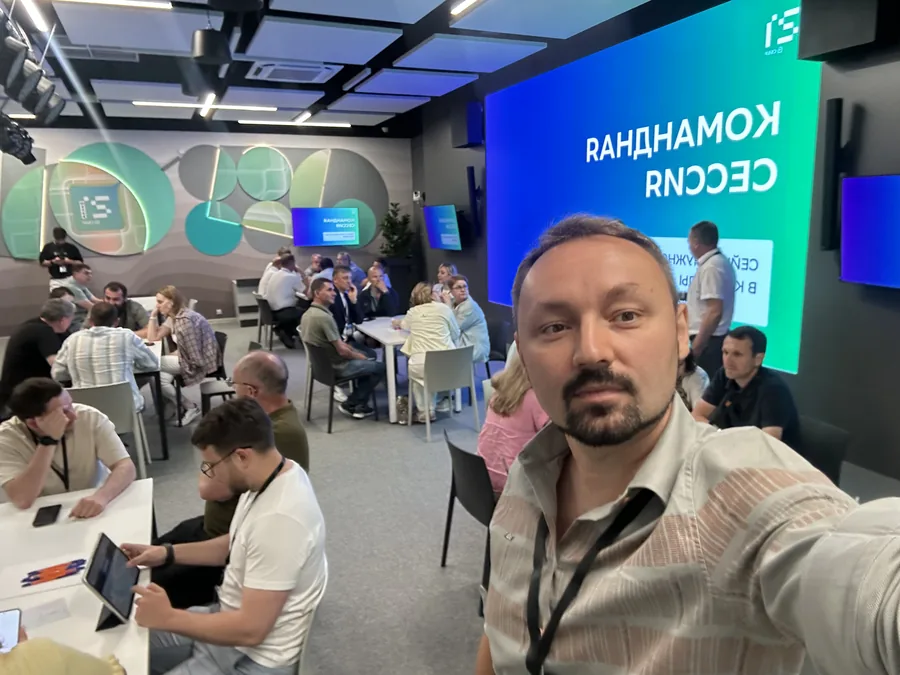
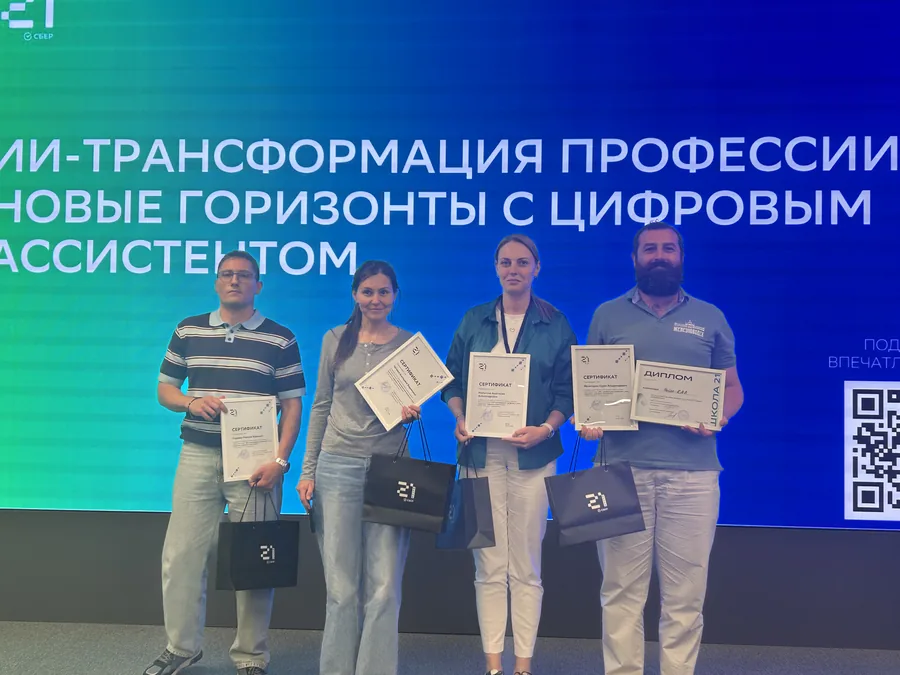
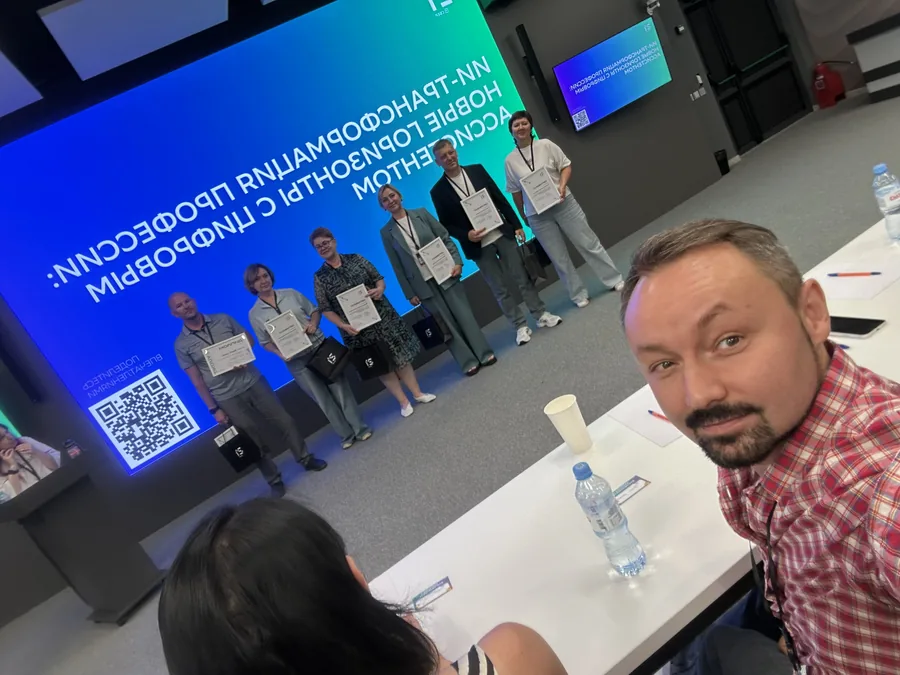
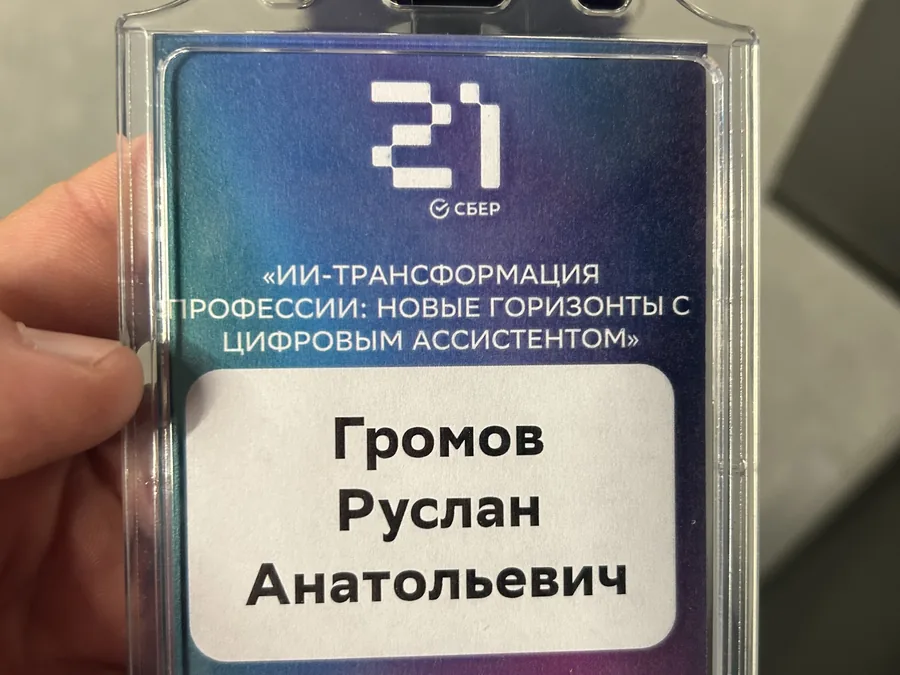

02.1 · Professional background
More than 20 years in technology projects, 7+ years in AI, ML, and neural networks, and 10+ years training internal and external teams. This background makes it possible to address AI in the context of processes, data, roles, risk, and adoption—not as an isolated technology.
Designing and implementing automation systems for business needs.
Coordinating teams, delivering projects, and transferring knowledge.
Data pipelines, transformation, and preparation of decision-ready information.
Applications, integrations, data, and processes from concept to implementation.
LLMs, RAG, AI agents, and capability development for management teams.
02.3 · Method
The program is built around participants' real challenges and KPIs: diagnosis, hands-on tool use, solution review, and a clear method for embedding the new capability within the team.
I analyze the team's processes, roles, and bottlenecks, selecting scenarios where AI can create measurable value rather than an impressive demo.
I build modules, cases, and practical work around the objectives—from a one-day intensive to a development program with progress tracking.
Participants solve their own challenges, build prototypes and AI tools through vibe coding, review mistakes, and receive feedback.
The outcome is reinforced with an action plan, quality criteria, and team materials; extended support can include an impact review after 2–4 weeks.
Live workshops and practicums for owners, executives, and teams—in person, in small groups, and focused on real challenges.
End-to-end programs: needs analysis, modules, active practice, and post-program outcome evaluation.
Lessons, assignments, assessments, scenarios, simulations, and video for internal platforms and knowledge bases—not just presentations.
Hands-on reviews, live sessions, and support for integrating AI tools into the team's work after training.
02.5 · For learning providers
I design learning for adult audiences—from the business challenge, learning objectives, and program architecture to practical assignments, assessment criteria, and launch support. I combine applied AI expertise with methods suited to executives and non-technical professionals.
Topic decomposition, learning outcomes, module structure, lesson scripts, and the practice sequence.
Content review and validation of AI scenarios, constraints, safety considerations, and business applicability.
In-person intensives, live online reviews, and workshops where participants build solutions and receive feedback.
Cases, practice environments, assessments, checklists, quality criteria, and materials for independent reinforcement.
Evidence available now
This page presents the evidence that can be shared appropriately. Client names, testimonials, and outcomes are never supplemented with assumptions—only verifiable materials are used.
03 · Corporate format
The program is delivered at the client's office or another agreed venue. Participants come from the same company and share business context, connected processes, and priorities, so the content is tailored to the specific management team.
Delivery locations
04 · Programs
Hands-on work on your team's real challenges. Together, we select the right program and agree the expected outcome and acceptance criteria in advance. The core format takes 1–2 days; an extended program with follow-up may run for up to three days.
04.1 · Why AI training fails to change work
Knowing about tools does not lead to adoption on its own. Workplace application requires a real challenge, hands-on practice, validation criteria, and a clear owner for the next step.
That is why participants work on their own use cases and finish the program with a prototype they can demonstrate to colleagues and develop further.
Passive learning does not transfer into daily operations
→You work on your own challenge and leave with a working tool—not just inspiration
AI services are available, yet standard processes are still handled manually
→We teach participants to build a working solution: input → processing → output
Vendor demos look impressive, but the team cannot reproduce them
→The solution is built by the participants themselves using approved or anonymized data, followed by a review of the results
There are no clear rules for data use or AI-output validation
→Safety boundaries and validation rules are addressed during the program
In one day, you cover a path that often takes companies months. In the morning, you build a working AI tool for your own challenge. In the afternoon, you develop it into a usable solution, create a functional automation map, and leave with a 30-day adoption plan.
This is not two separate workshops. It is one integrated journey: first, you experience the technology hands-on, then learn how to turn it into a managed process within the company.
Six practical deliverables
After the program, you begin with a working prototype, a priority map, and an adoption plan.
Business owners, senior executives, and functional leaders who want hands-on AI experience and an immediate plan for their team.
A foundation workshop for leaders who want to understand AI through hands-on work rather than articles. Bring a real challenge—a report, data export, or recurring task—and leave with a tool you built yourself and a clear view of what to automate next. No programming is required: describe the task in business language, let the AI agent build the solution, validate it, and take it into your work.
Program agenda
You will leave with
Move from uncertainty about the right use case to a working prototype and a practical application plan.
Business owners, senior executives, and leaders in sales, projects, and finance who work with reports and spreadsheets and want to reduce routine work.
The next step for participants who have completed the foundation module. Develop the tool for repeatable use and transfer to colleagues: a usable interface, file handling, export, and a straightforward launch process.
Leave with a mature mini-product that the function can use—not an unfinished draft.
Participants who completed the foundation workshop and want to turn a rough tool into a usable product.
For an executive, AI is not merely a faster spreadsheet. It supports management workflows: see the full picture sooner, identify risk earlier, and prepare decisions from data rather than intuition and memory.
A personal set of AI-enabled management workflows that helps you see the picture sooner and make decisions from data rather than memory.
Leaders who want data-informed decisions and faster visibility without manual consolidation.
You have built a tool for yourself. The next challenge is scaling it across a function without creating a collection of disconnected personal chatbots. This program creates a structured adoption approach, an economic case, and an automation map.
A practical one-month AI adoption plan for your function, with owners, deadlines, and expected impact.
Functional and business-unit leaders accountable for bringing AI into team operations and delivering results.
An owner and executive-team program for building an enterprise pipeline from challenge → prototype → validation → adoption → operating standard, without depending on a single AI enthusiast. It also defines safety boundaries and the foundations of corporate AI policy.
Design a practical AI Delivery Process and operating rules so the company gains a repeatable solution pipeline rather than dependence on one individual.
Business owners and senior executives building a systematic, enterprise-wide approach to AI.
04.2 · Program selection
Start from your current maturity level—the programs form one coherent pathway.
04.3 · Program outcomes
Every program centers on hands-on work on the team's own challenge. The resulting prototype can be demonstrated to colleagues and incorporated into the next adoption plan.
05 · Pricing
Pricing depends not only on duration but on the required outcome: introduce the team to the technology, build a connected solution set for a function, or define an enterprise adoption framework. The appropriate level is selected after a short needs assessment.
1 day · team of 5–10
RUB 10,000–15,000per participant
For a first hands-on experience in which every participant builds one applicable solution.
2–3 days · one function or business unit
RUB 20,000–30,000per participant
For a team that needs a connected solution portfolio and adoption plan rather than isolated experiments.
assessment · strategy session · adoption architecture
On requestcustom proposal
For business owners and executive teams building an enterprise portfolio of AI initiatives.
What is included
Before the engagement, we define the expected program outcome—not a slide count. Scope, acceptance criteria, and budget are documented in the agreement.
05.1 · Completion commitment
If a participant has not completed the agreed prototype by the end of the program, I provide an individual online session to help finish it at no additional charge. The prototype scope and completion criteria are agreed before hands-on work begins.
06 · Approach
Andrej Karpathy coined the term “vibe coding” in 2025: you describe the task in natural language while an AI agent writes, runs, and checks the solution. For developers, it is a new way of working. For owners and senior executives, it is a way to produce in hours what once required weeks and a dedicated budget.
In the workshops, vibe coding is treated as a disciplined way of working: define the task clearly, move in small steps, and validate the output. You leave not with theory, but with a working tool for your own challenge—a report, dashboard, or routine automation.
“Do not delegate your understanding of AI. Try it yourself—otherwise you will not see where it can create economic value.” — Ruslan Gromov
You describe the what and why in business language; AI turns it into a solution. The executive's key skill is precision in framing the task—not programming syntax.
No generic examples. You bring a real challenge—a report, process, or recurring task—and automate that exact piece of work.
By the end of the workshop, you have a working prototype and a clear next step. The value of vibe coding is determined by practical applicability and measurable operational impact.
07 · Learning format
This is neither a webinar nor a lecture. Participants work hands-on from the first minute, with individual support throughout.
The primary B2B format brings the team together in one room for rapid individual feedback and collective solution review. Separate online formats are available for learning providers.
I train one team at a time: 5–10 people, each working on a challenge from their own role. A shared context makes the cases relevant and peer exchange immediately useful.
Minimal slides, maximum practice. We review cases, validate intermediate outputs, and refine solutions together.
You leave with a solution for your own challenge and a prioritized list of processes to automate next.
Who this format is for
The program is designed for one management team with a shared business context. Each participant works on an individual challenge while the group develops a common understanding of AI's capabilities and boundaries.
A strong fit
To understand the potential of AI tools first-hand and make informed adoption decisions.
To identify automation opportunities within their function and lead implementation.
To build a standard AI workflow independently and validate it on a real business task.
To connect AI capabilities with time, process quality, risk, and economics.
08 · Applied scenarios
Coding agents make it possible to move beyond chatbots and simple reports. During the program, the team designs the architecture and builds a working prototype; integrations, production deployment, and scaling are defined as separate roadmap steps.
Manufacturing · CEO / COO
Group of companies · CFO / treasury
Retail · Chief Commercial Officer
HR / corporate university · CHRO
Procurement and legal · CPO / counsel
Regulated industry / public sector · Chief of Staff
* These are solution-design scenarios, not claims of implementation for a specific client. Prototype scope depends on access, data quality, and information-security requirements; production integration is assessed separately.
09 · Questions and answers
Yes. The task → generation → validation workflow does not require coding: the task is defined in business language, the AI agent builds the solution, and the participant validates it. Even people whose previous toolset was limited to Excel build a working tool during the workshop. If someone does not complete the agreed prototype, the completion commitment applies.
Services and access requirements are agreed in advance based on the team's objectives, corporate restrictions, and information-security requirements. Participants receive a preparation checklist before the program.
Before the workshop, we agree on the permitted tools and your security team's requirements. Corporate data is used only within the approved environment or in anonymized form.
Each participant needs an internet-connected laptop. The venue provides a projector or flip chart; all other requirements are covered in the preparation checklist sent in advance.
Yes. That is the purpose of the corporate format: the cohort is one team, so the cases, data, and examples are yours. I conduct a short needs assessment and tailor the program before delivery.
A dedicated module covers data boundaries: what may be sent to cloud models, what must be anonymized, and what should be processed locally. Participants receive a safety checklist. Where requirements are strict, we work with anonymized data.
The corporate program is built around one team's actual challenges: participants create a solution, receive feedback, and define an application plan. I use online formats separately for learning-provider projects and follow-up support.
The hands-on format is designed for a team of 5–10 people. I have facilitated groups of up to 80: for larger audiences, we separately agree on parallel cohorts or a blended format involving functional leaders.
Program preparation, workshop delivery, materials, a prompt library, and follow-up support. The final price is fixed in the agreement before work begins.
The corporate program is designed around live practice, so its main value lies in in-room work and individual feedback. Participants receive written materials and templates; recording individual segments can be agreed with the client and participants in advance.
10 · Booking
Call or message — discuss the team's challenge and select the right program.
Select a date and city — agree on the in-person format, venue, and final budget.
Deliver the on-site program — participants build the agreed prototypes and plan the next adoption steps.
11 · Follow-up
After the workshop, the team can handle standard tasks independently and reinforce the new practice. AI's greater value emerges in end-to-end projects: connecting data across systems, building multi-agent pipelines, or embedding a solution into a function's operating model. I take on such projects as an architect and implementation lead—from concept to working result.